
192.168.1.1 Router Login
192.168.1.1 is a private IP address commonly used as the default gateway for many home and office routers. It allows users to access the router’s admin panel, where they can manage WiFi settings, update passwords, monitor connected devices, configure security options, and troubleshoot network issues from a web browser.
What Is 192.168.1.1?
192.168.1.1 is a private IP address that serves as the default login gateway for many wireless routers and modems. It gives users access to the router’s admin panel, where they can configure network settings, improve WiFi security, and manage connected devices. Since it belongs to the private IP address range, it is only accessible within your local network.
When you enter http://192.168.1.1 into your web browser, it opens your router’s login page instead of a public website. After signing in with the correct administrator credentials, you can customize your network, change passwords, update firmware, and perform other important router management tasks.
Quick Information
| Feature | Details |
|---|---|
| IP Address | 192.168.1.1 |
| Address Type | Private IPv4 Address |
| Primary Use | Router Login & Administration |
| Common Router Brands | TP-Link, D-Link, Netgear, Linksys, ASUS, Huawei, Tenda |
| Access Method | Any Web Browser |
How to Log In to 192.168.1.1
Accessing the 192.168.1.1 router login page is quick and straightforward. Follow these steps to open your router’s admin dashboard.
Connect to Your Router
Before logging in, make sure your device is connected to the router.
You can connect using:
- WiFi connection
- Ethernet (LAN) cable
Your device must be connected to the router’s network to access the admin panel.
Launch a Web Browser
Open your preferred internet browser, such as:
- Google Chrome
- Mozilla Firefox
- Microsoft Edge
- Safari
- Opera
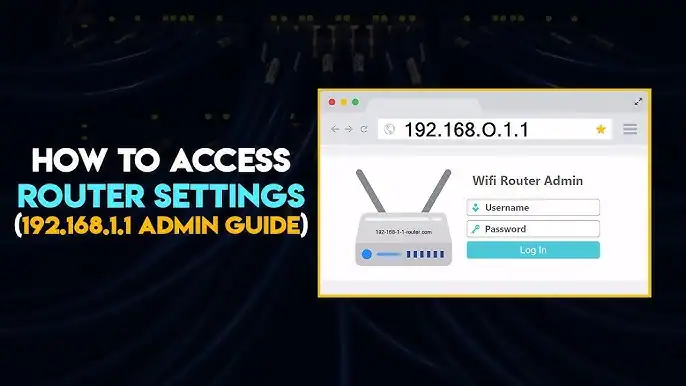
Enter the Login Address
Type the following address into your browser’s address bar:
Then press Enter.
If your router uses this IP address, the administrator login page will appear.
Sign In with Administrator Credentials
Enter your router’s administrator username and password.
Many routers use default login details such as:
- Username: admin
- Password: admin
If these credentials have been changed previously, use your custom administrator password instead.
Manage Your Router Settings
After logging in successfully, you will be taken to the router’s administration dashboard. From here, you can manage and customize your network using a variety of settings, including:
- Change your WiFi name (SSID)
- Update your WiFi password
- View connected devices
- Configure security and firewall settings
- Set up guest WiFi and parental controls
- Update router firmware
- Troubleshoot internet and network issues
Default Username and Password for 192.168.1.1
Most routers require an administrator username and password before you can access the 192.168.1.1 admin panel. These default credentials vary depending on the router manufacturer. If the login details have never been changed, you can try the combinations below.
| Router Brand | Default Username | Default Password |
|---|---|---|
| TP-Link | admin | admin |
| D-Link | admin | admin |
| Linksys | admin | admin |
| ASUS | admin | admin |
| Netgear | admin | password |
Note: If these credentials do not work, check the sticker on your router or refer to the user manual. Previous owners or network administrators may have changed the default login information.
How to Change Your WiFi Password
Changing your WiFi password regularly helps prevent unauthorized access and keeps your network secure.
Follow These Steps
- Sign in to your router using 192.168.1.1.
- Open Wireless or WiFi Settings.
- Select Wireless Security.
- Locate the WiFi Password or Pre-Shared Key field.
- Enter a new secure password.
- Click Save or Apply.
- Reconnect all your devices using the updated password.
How to Change Your WiFi Network Name (SSID)
Your SSID is the name that appears when people search for available WiFi networks.
Steps to Change the SSID
- Log in to the router dashboard.
- Navigate to Wireless Settings.
- Find the SSID or Network Name option.
- Enter a unique WiFi name.
- Save the changes.
- Reconnect your devices to the renamed network.
How to Change the Router Administrator Password
Leaving the default administrator password unchanged can expose your router to security risks. Updating it is highly recommended.
Steps
- Log in to 192.168.1.1.
- Open Administration, System, or Management.
- Select Administrator Password.
- Enter a strong new password.
- Confirm the password.
- Save your changes and log in again using the new credentials.
Common 192.168.1.1 Login Problems and Solutions
If you cannot access the router login page, try the solutions below.
192.168.1.1 Login Page Is Not Opening
There are several reasons why the login page may fail to load.
Possible Causes
- Incorrect IP address
- Router connection problem
- Browser error
- Network configuration issue
Solutions
- Restart your router.
- Verify that 192.168.1.1 is the correct gateway.
- Open the page in another browser.
- Connect your device using an Ethernet cable.
- Clear your browser cache and reload the page.
Invalid Username or Password
Incorrect login credentials are one of the most common login problems.
Try These Solutions
- Check the router label for default credentials.
- Read the router manual.
- Use the correct administrator username and password.
- Reset the router if the password has been forgotten.
Internet Connection Is Not Working
Even if your internet connection is unavailable, you should still be able to access the router dashboard through the local network.
What You Can Do
- Restart the router.
- Check all network cables.
- Reconnect your device to the router.
- Verify that the router is powered on properly.
A slow-loading admin page is usually caused by browser or network issues.
Solutions
- Clear browser cache and cookies.
- Restart your router.
- Update the router firmware.
- Close unnecessary browser tabs or applications.
How to Find Your Router IP Address
Not every router uses 192.168.1.1. If the address doesn’t work, you can easily find your router’s default gateway using your device.
Find the Router IP Address on Windows
- Press Windows + R.
- Type cmd and press Enter.
- Type ipconfig and press Enter.
- Look for Default Gateway.
The IP address displayed next to Default Gateway is your router’s login address.
Find the Router IP Address on Android
- Open Settings.
- Tap WiFi.
- Select the connected network.
- Open the network details.
Your router IP address will appear under Gateway.
Find the Router IP Address on iPhone
- Open Settings.
- Tap WiFi.
- Tap the icon beside your connected network.
- Scroll down to Router.
The displayed address is your router’s gateway.
Find the Router IP Address on Mac
- Open System Settings.
- Select Network.
- Choose your active internet connection.
- View the Router information.
Popular Router Brands That Use 192.168.1.1
Many networking manufacturers use 192.168.1.1 as the default gateway for their routers. Below are some of the most common brands.
TP-Link
TP-Link routers are widely used in homes and businesses. Through 192.168.1.1, users can manage WiFi settings, update passwords, configure security options, and monitor connected devices.
Linksys
Linksys routers offer an easy-to-use administration panel where users can configure wireless settings, guest networks, parental controls, and firmware updates.
ASUS
ASUS routers include advanced networking features such as QoS, AiProtection, VPN settings, and detailed network management through the router dashboard.
Netgear
Many Netgear router models provide administrator access through 192.168.1.1, allowing users to manage wireless settings, security, firmware, and connected devices.
D-Link
D-Link routers feature a simple management interface that allows users to configure WiFi networks, improve security, install firmware updates, and troubleshoot network issues quickly.
Frequently Asked Questions
What is 192.168.1.1?
192.168.1.1 is a private IP address commonly used as the default gateway for many routers. It allows users to access the router’s admin panel to manage WiFi, security, and network settings.
How do I log in to 192.168.1.1?
Connect your device to the router, open a web browser, enter http://192.168.1.1 in the address bar, and sign in using your administrator username and password.
Why is 192.168.1.1 not opening?
The login page may not open if you are not connected to the router, the router uses a different IP address, the browser has cached data, or there is a network issue. Restarting the router and checking the default gateway often solves the problem.
What is the default username and password for 192.168.1.1?
Many routers use admin as both the default username and password. However, the login credentials may vary depending on the router brand and model.
How can I change my WiFi password?
Log in to the router dashboard, open Wireless Settings, go to Wireless Security, enter a new WiFi password, and save the changes. Reconnect all your devices using the updated password.
How do I reset my router if I forget the admin password?
Locate the Reset button on the router, press and hold it for about 10–15 seconds, and wait for the router to restart. This restores the factory default settings, allowing you to log in using the default credentials.
Is 192.168.1.1 safe to use?
Yes. 192.168.1.1 is a private IP address used only within your local network. For better security, always change the default administrator password and keep your router firmware updated.
Which router brands use 192.168.1.1?
Many popular router manufacturers, including TP-Link, D-Link, Linksys, ASUS, Netgear, Huawei, Tenda, and others, use 192.168.1.1 as the default login address on certain router models.
Conclusion
192.168.1.1 is one of the most widely used router login IP addresses, giving users quick access to their router’s admin panel. From changing your WiFi password and network name to managing connected devices and updating security settings, the router dashboard provides everything you need to keep your network running efficiently. 192.168.1.1, check that your device is connected to the router, verify the correct gateway address, and use the proper administrator credentials. By following the steps and troubleshooting tips in this guide, you can easily log in, configure your router, and maintain a secure and reliable home or office network.